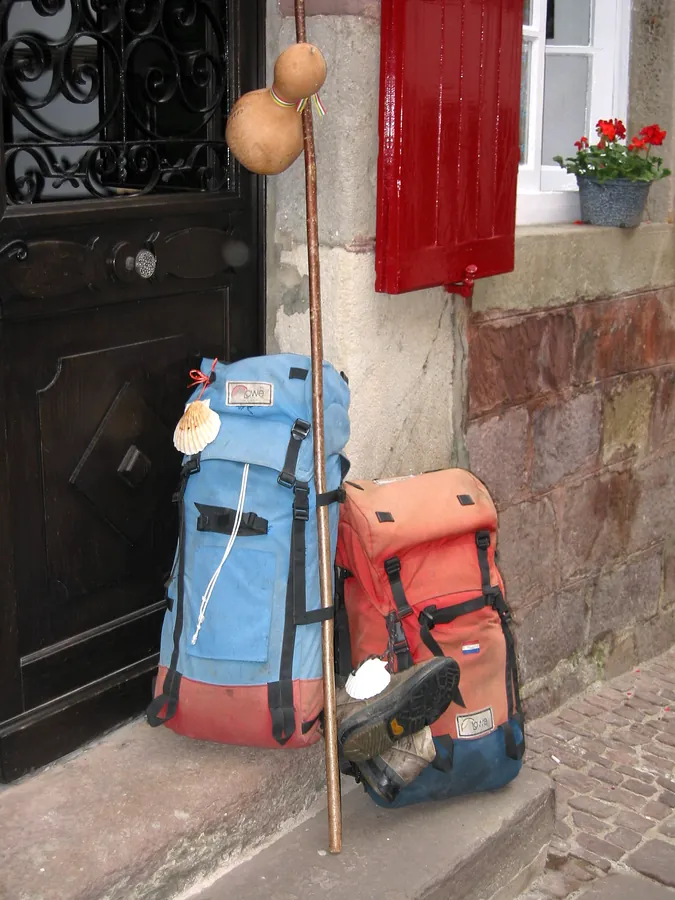
A backpack that is too heavy is one of the most common reasons walkers struggle on the Camino de Santiago. Before thinking about routes or stages, it is worth settling the question of the pack itself - what goes in it, how much it weighs, and how to adapt it to your own way of walking. It is not just a matter of comfort - a well-thought-out pack genuinely changes how much you enjoy the days of walking.
How heavy should a pilgrim's pack be?
There is no universal figure, but a common rule of thumb among experienced walkers and pilgrim associations is to aim for a loaded pack weight around one-tenth of your own body weight, gear and water included. This is a guideline, not a strict standard - some well-trained walkers carry more, while others prefer to stay well below it for comfort over many days. What matters most is testing your full pack in real walking conditions before setting off, ideally over several days, rather than relying on a figure read on a website.
Gear by category
Clothing is best thought of in layers rather than separate items: a breathable base layer close to the skin, an insulating layer for cool mornings and evenings, and protection against rain and wind. This layering lets you adjust to the day's weather without carrying a pile of spare clothes "just in case". For footwear, the advice repeated by experienced pilgrims for decades stays the same: never set off in brand-new shoes or boots, whatever the model - break them in over several outings first.
For sleeping, walkers who stay in gîtes d'étape (pilgrim hostels) most often carry a lightweight sleeping bag or a simple sleeping bag liner, since blankets are usually provided on site - it is worth checking this with each accommodation before leaving. A pared-down wash kit, a small first-aid pouch focused on feet (blister plasters, antiseptic) and a water bottle or hydration pouch round out the essentials.
Adapting your pack to the season
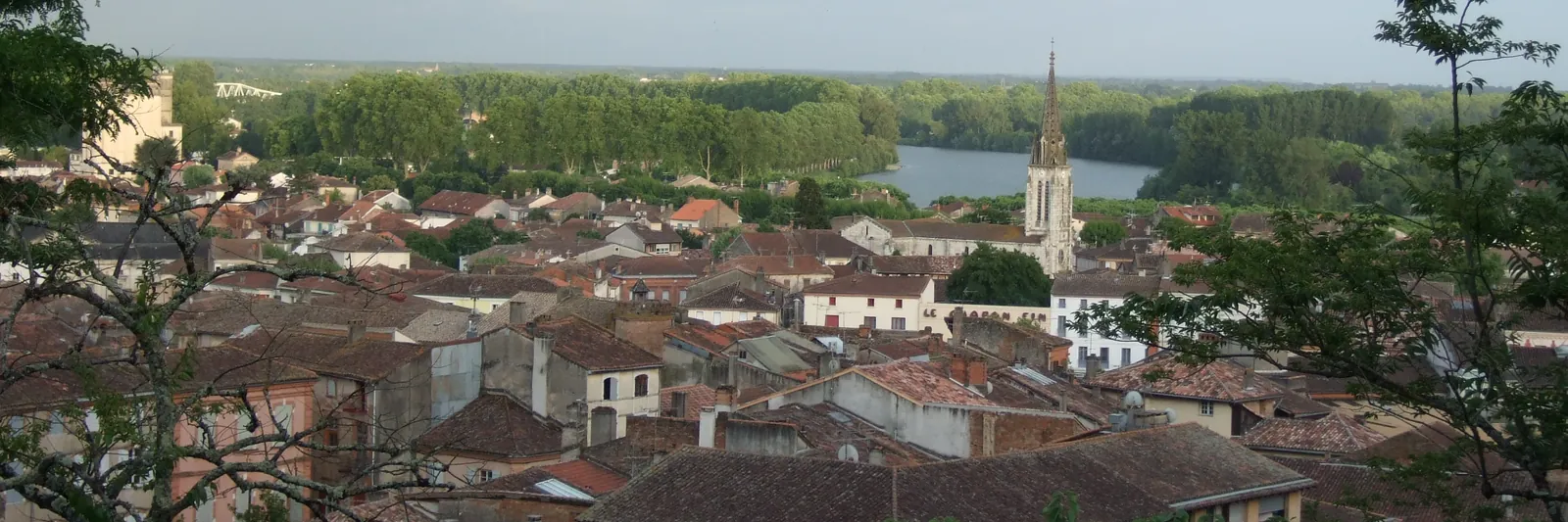
In high summer, the main concerns are heat and sun: light, pale clothing, a hat or cap, sun protection, and enough water for stretches without a water point. In spring or autumn - busy seasons on the Via Podiensis around Moissac - the gap between morning and afternoon temperatures widens, which justifies packing more layers and a reliable rain jacket. Winter, more marginal on this stretch of the route, calls for fuller gear and extra care around weather and daylight hours.
The most common mistakes
The first and most common mistake is packing too much "just in case": spare clothing beyond what's needed, duplicate gear, items that seemed essential while packing but never leave the bag. The second is skipping a real-world test - a pack that feels comfortable for ten minutes in a shop can become painful after several hours of walking. The third, already mentioned, is new footwear - a very frequent cause of blisters and pain in the first stages. Better to travel slightly lighter with a pack you have actually tested than overloaded and untested.
In brief
- Common guideline: aim for roughly one-tenth of your body weight for the loaded pack, adjusted to your own fitness.
- Clothing in layers (base, insulation, rain), footwear broken in beforehand - never brand new.
- Lightweight sleeping bag or liner for nights in gîtes d'étape - check what's provided on site.
- Most common mistake: too much gear "just in case" instead of a pack actually tested beforehand.