Long before social media, pilgrims walking the Via Podiensis were already telling their story - in letters, in notebooks, passed on by word of mouth from one gîte d'étape to the next. That storytelling tradition is as alive as ever. Every year, thousands of walkers publish accounts of their Camino, offering a valuable resource for anyone preparing their own departure or simply curious about what pilgrims experience, day by day, as they pass through Moissac.
Where to find genuine Camino stories
Honest, first-hand Camino accounts are not hard to find, once you know where to look. Online forums and communities dedicated to the Via Podiensis bring together walkers who share their stages, doubts and discoveries, often with a lot of practical detail. Blogs kept during or after the walk are another rich source: some pilgrims log every stage as they go, others prefer a more reflective account written once home. Social media accounts focused on hiking and pilgrimage let you follow a walk almost in real time, photo by photo. Pilgrim associations, active in many regions along the route, sometimes publish newsletters or collect accounts from members who have completed the Camino. Libraries and bookshops also carry published travel narratives, which let you take the time to read a journey told as a whole.
We do not invent testimonials on this blog. We would rather point you towards these real sources than offer you fabricated quotes attributed to imaginary pilgrims.
What pilgrim accounts generally say about the Moissac stage
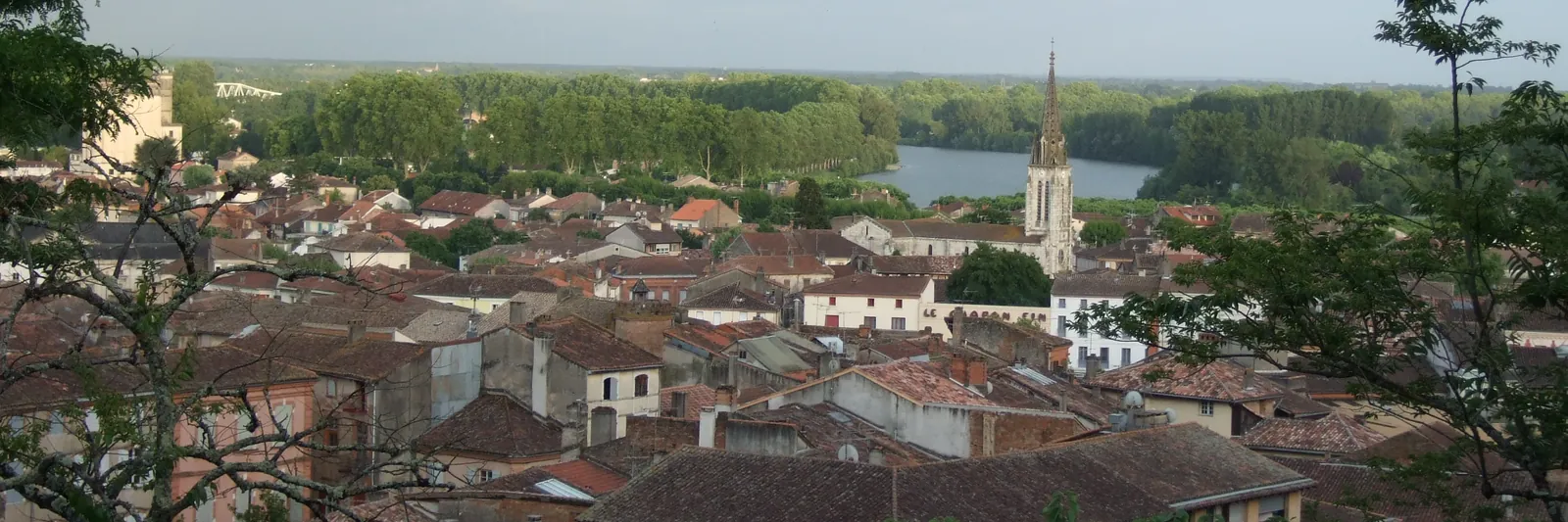
Without putting invented words into anyone's mouth, it is possible to note what published accounts most often mention about this particular stage: surprise at the tympanum of the Saint-Pierre abbey portal, the calm of the Romanesque cloister after several days of walking, the presence of water - the Tarn river, then the canal latéral à la Garonne - which changes the soundscape of the route, and the pleasure of crossing the Cacor canal bridge on foot or by bike. These elements come up again and again in walking narratives about this part of the Via Podiensis, which is hardly surprising: Moissac holds heritage listed under the Routes of Santiago de Compostela in France on the UNESCO World Heritage list, and this stage brings water back into view after drier days further along the route.
Keeping your own Camino journal
Beyond reading other people's accounts, many pilgrims keep a journal of their own - an old habit, closely related to the guest-book tradition found in many lodgings along the way. A Camino journal does not need to be literary to have value: noting the date, the weather, the distance covered, a memorable encounter or a simple feeling is often enough to keep a faithful trace of the journey. Some walkers glue in tickets, credential stamps, a dried blade of grass or a postcard. Others deliberately keep it short, so that the walking itself stays the main point.
That journal often becomes, once the Camino is over, the best source for writing an account of your own - the kind that other pilgrims, preparing their own stop in Moissac, might read before they leave. Start exploring from our home page, and if you read French, the original version of this article - Récits de pèlerins - goes into a little more local detail.
In brief
- Genuine Camino stories live in forums, blogs, social media, pilgrim associations and published books - not as invented quotes on this blog.
- Accounts about Moissac often mention the abbey's tympanum, the Romanesque cloister, the Tarn river and the Cacor canal bridge.
- Keeping a Camino journal is a simple, personal habit, related to the guest-book tradition found along the way.
- This blog does not invent reviews or quotes attributed to pilgrims - it only points to real sources.