After a day's walk on the Camino to Santiago de Compostela, the evening stop almost always ends with a simple meal, shared around long tables in a pilgrim gîte. What matters isn't fine dining, but generous plates and enough fuel to set off again the next morning. Here are a few easy ideas for cooking in a shared kitchen, along with a tour of the Quercy flavours that go naturally with a stop in Moissac.
Simple, no-fuss pilgrim cooking
Cooking in a gîte kitchen comes with its own rules: limited time, often just one or two hobs, and ingredients picked up that same afternoon from a village shop or market stall. The dishes that work best need little equipment and scale up easily: pasta with whatever vegetables are in season, a thick vegetable soup, fried rice with leftovers from several backpacks, or a generous omelette shared between a few hungry walkers. The point isn't to follow a recipe to the gram, but to put together what's on hand with a bit of common sense and good olive oil.
A classic trick on the trail: a big mixed salad with tomatoes, a wedge of local cheese and some walnuts makes the most of market produce without much cooking after a long day's stage.
Quercy flavours worth adding to the menu
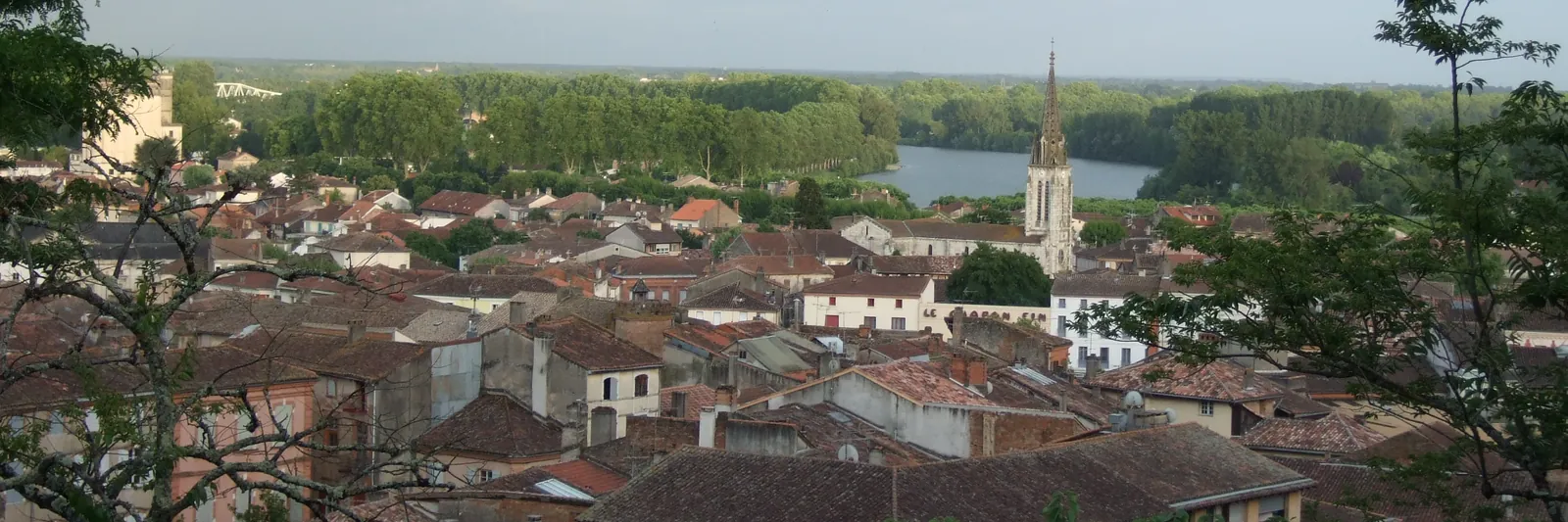
The countryside around Moissac, on the edge of the Quercy region, grows produce that suits simple, tasty cooking rather well:
- Quercy melon, fragrant and sweet, a classic starter with a little dry-cured ham;
- Quercy walnuts, good for snacking on the trail or adding to a salad or goat's cheese;
- Quercy saffron, grown by a handful of local producers, to flavour rice or a sauce;
- Quercy farm lamb, found on the menu of some stage restaurants;
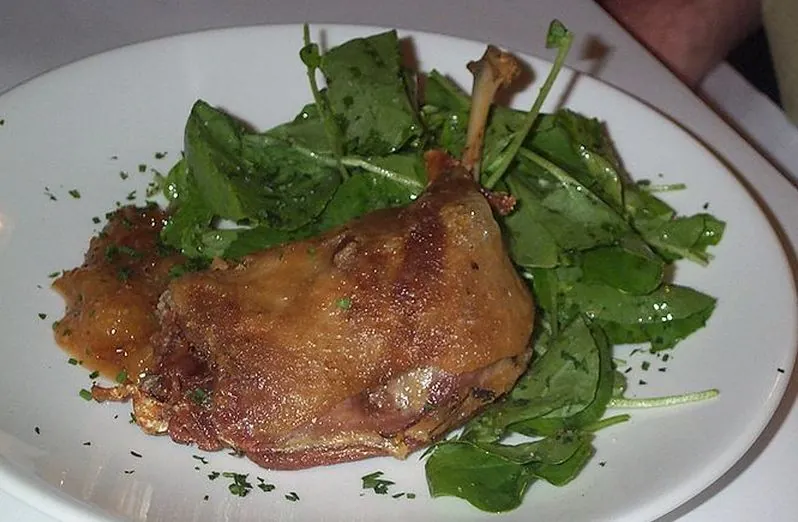
- duck confit, a Southwest France classic, warmed through in minutes with potatoes.
These products are easy to find at local markets and village shops - enough to put together an evening meal that beats another ham sandwich, without spending the whole evening at the stove.
Chasselas grapes: the star of the late-summer table
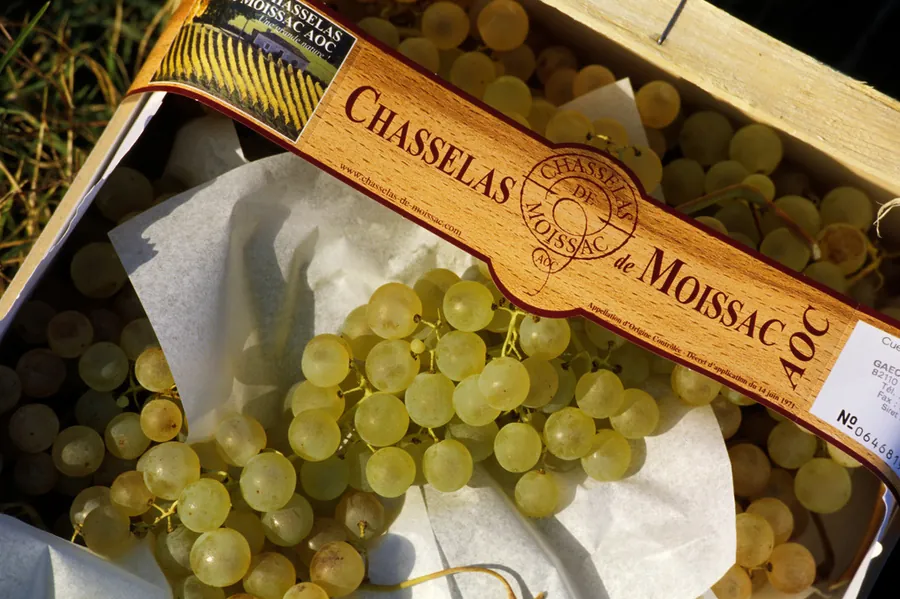
No conversation about local food around Moissac is complete without the Chasselas de Moissac, a golden table grape grown on trellises around the town and protected by its own appellation. During harvest season it turns up everywhere: eaten fresh as a dessert, served alongside a cheese board, or tossed into a fruit salad with a touch of honey. For more on its history and growing methods, the French-language article on Chasselas grapes and Quercy flavours goes into more detail on this grape that defines the stage.
A Nepalese-style dessert to finish the meal
The Camino draws walkers from all over the world, and pilgrim gîtes are often where unlikely recipes cross paths. It's not unusual for a passing pilgrim to offer to cook a dessert picked up on another continent - a spiced rice pudding with cardamom and cinnamon, in the spirit of Nepalese or Indian kheer. Made in one big pot with milk, rice, sugar and a few spices, this kind of warm, fragrant dessert is easy to share between several tables and makes a pleasant change from the usual Southwest French sweets at the end of a gîte dinner.
What to pack for the day's walk
For the walk itself, compact, energy-dense food beats anything that needs cooking:
- dried fruit and nuts (almonds, walnuts, dried apricots) for a quick energy boost;
- a little local cheese and bread, bought the day before;
- a cereal bar or fresh fruit, such as a handful of Chasselas grapes in season;
- plenty of water, topped up at water points along the stage.
For more on organising the rest of the Moissac stage, the home page links to further practical pages, and the original French article on pilgrim recipes and Quercy flavours covers a few more regional details for French-speaking readers.
In brief
- Gîte kitchens favour simple, quick recipes that scale up for shared tables.
- The Quercy region offers easy seasonal produce: melon, walnuts, saffron, lamb, duck confit.
- Chasselas de Moissac, an AOC table grape, is best eaten fresh or as a simple dessert during harvest.
- Gîtes are also places where recipes travel, including Nepalese-style rice pudding brought by passing pilgrims.
- Pack compact trail food: dried fruit, cheese, bread and plenty of water.