The abbey of Saint-Pierre in Moissac, with its cloister and tympanum, is one of the great highlights of the Camino to Santiago de Compostela in France. Along with other staging points on the route, it is listed as part of the "Routes of Santiago de Compostela in France" UNESCO World Heritage site. For a first overview of the town and its landmarks before the visit itself, see the Moissac home page.
The abbey church and its tympanum
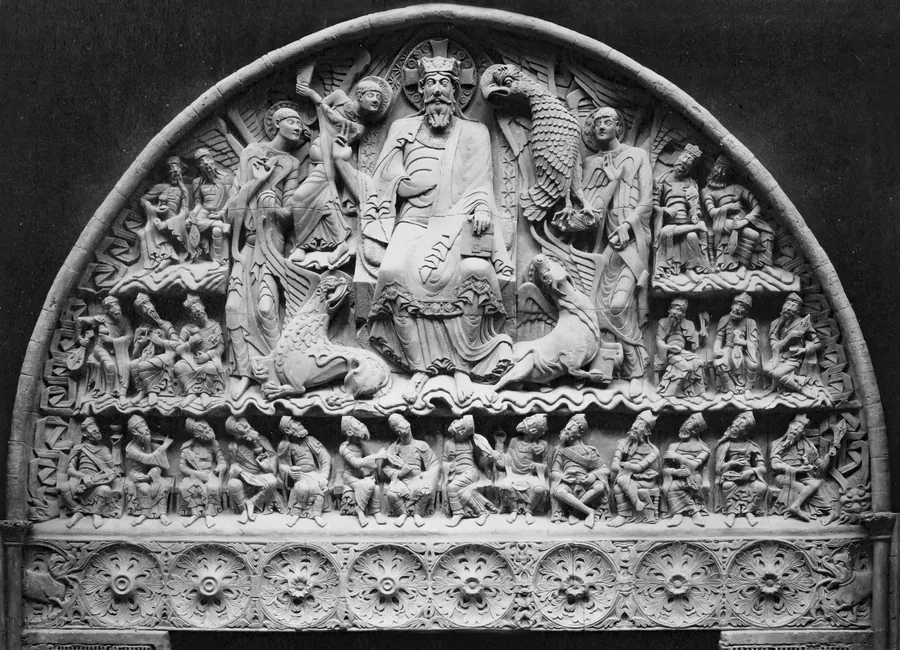
The abbey church, fronted by a fortified bell-tower porch, opens onto a carved portal that ranks among the finest achievements of Romanesque sculpture in France. The tympanum depicts Christ in majesty, surrounded by the symbols of the four evangelists and the heavenly court described in the Book of Revelation; a row of carved figures runs along the lintel below the main scene. The scale and detail of this decoration explain why Moissac features in most studies of Romanesque art. The history of the building and the changes to its façade over the centuries reward a closer look once you are on site.
The Romanesque cloister
Behind the church, the cloister, built in the 11th and 12th centuries, remains one of the best-preserved examples of its period in France. Around the central garden, the galleries rest on columns and carved piers topped with historiated capitals that mix biblical scenes with decorative motifs. Visitors usually work their way gallery by gallery, pausing at the capitals that catch their eye; it rewards taking your time rather than rushing through.
Planning your visit
Opening hours, access to the cloister, any entry fee and guided tours all vary with the season and can change from one year to the next. It is worth checking directly with the Moissac tourist office or the abbey's own reception before you go, especially outside the main tourist season or during religious services, when access to parts of the monument may be limited. Allow enough time: a careful visit of the church, the cloister and their surroundings easily takes over an hour.
Making the most of the stop
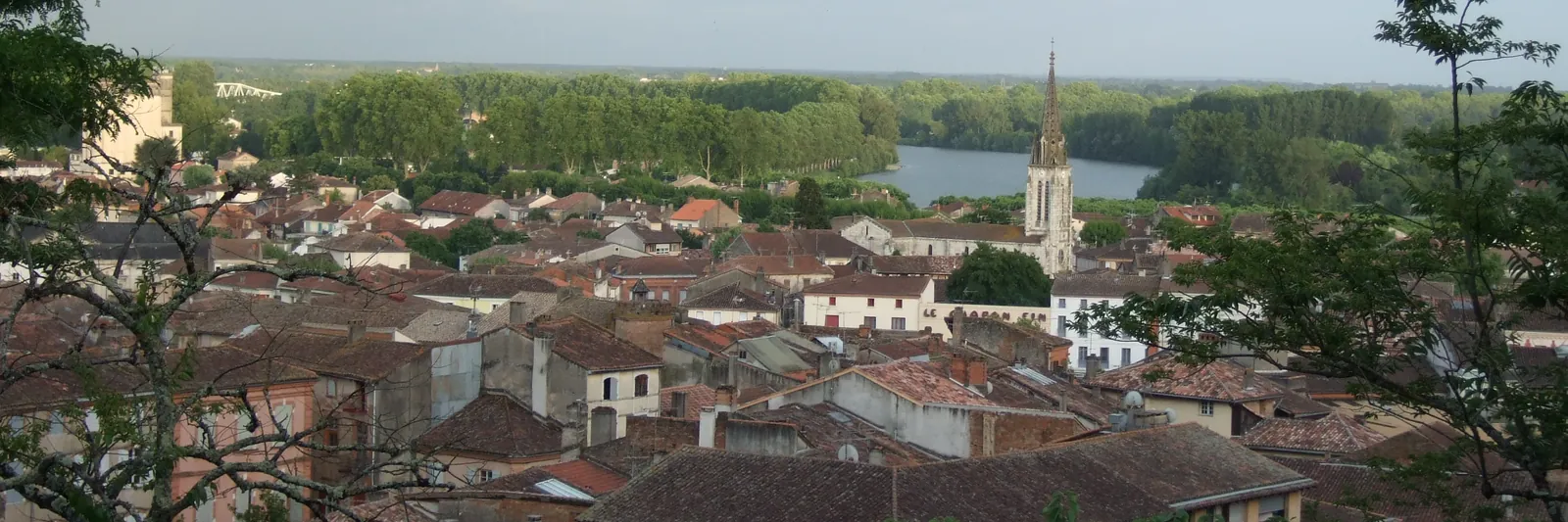
Around the abbey, Moissac's old town is worth a further wander, between narrow streets, old houses and small squares. For pilgrims on the Camino, this heritage stop is often one of the highlights of the route between Le Puy-en-Velay and the Pyrenees, somewhere between architectural discovery and a welcome break from walking. Practical notes on getting to Moissac and continuing the stage are gathered on the getting to Moissac page.
A note on what to look for
First-time visitors sometimes focus so hard on the tympanum that they walk past the cloister's capitals without a second glance, or the other way around. It helps to slow down at both: the portal rewards standing back to take in the whole composition, while the cloister rewards the opposite, moving in close to each capital to pick out the carved detail. Guided tours, where available, usually point out details that are easy to miss on a first, unaided pass, which can be worth the extra time if your schedule allows it.
In brief
- Moissac Abbey is part of the UNESCO World Heritage listing for the Routes of Santiago de Compostela in France.
- The portal's tympanum, showing Christ in majesty, is a major reference work of Romanesque sculpture.
- The 11th- and 12th-century cloister preserves remarkable historiated capitals.
- Opening hours and visiting conditions vary by season: check with the tourist office before you arrive.