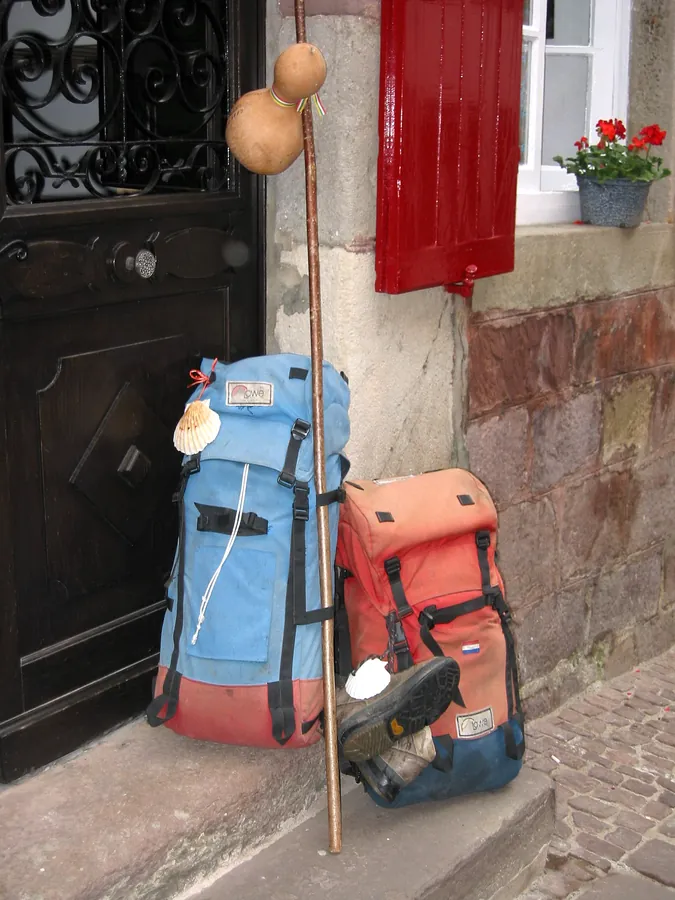
Retirees seeking long stretches of unhurried time, thirty-somethings breaking with their usual routine, families on summer holiday, groups of friends, solo walkers who have travelled from the other side of the world: the Via Podiensis belongs to no single type of traveller. That has been one of the route's great strengths for decades - its ability to bring radically different life stories together on the very same paths.
A wide range of profiles, hard to reduce to a single statistic
Pilgrim associations and tourist offices along the route report a growing diversity among walkers every year: French pilgrims remain the majority on the Via Podiensis, but they share the path with other Europeans and visitors from further afield, retirees with several free weeks, working people walking a section during their holidays, students at a turning point, people between careers or recovering from illness. Motivations vary just as widely: a spiritual or religious journey for some, a physical challenge for others, a wish to slow down, to spend time alone with one's thoughts, or simply to walk for a long stretch through beautiful countryside. Precise figures - total numbers, age breakdowns, countries of origin - shift from year to year and are published by the organisations that monitor the route; for up-to-date data, it is best to check with pilgrim associations or the route's tourist offices rather than rely on an old number fixed on a web page.
On foot, by bike, or with a donkey
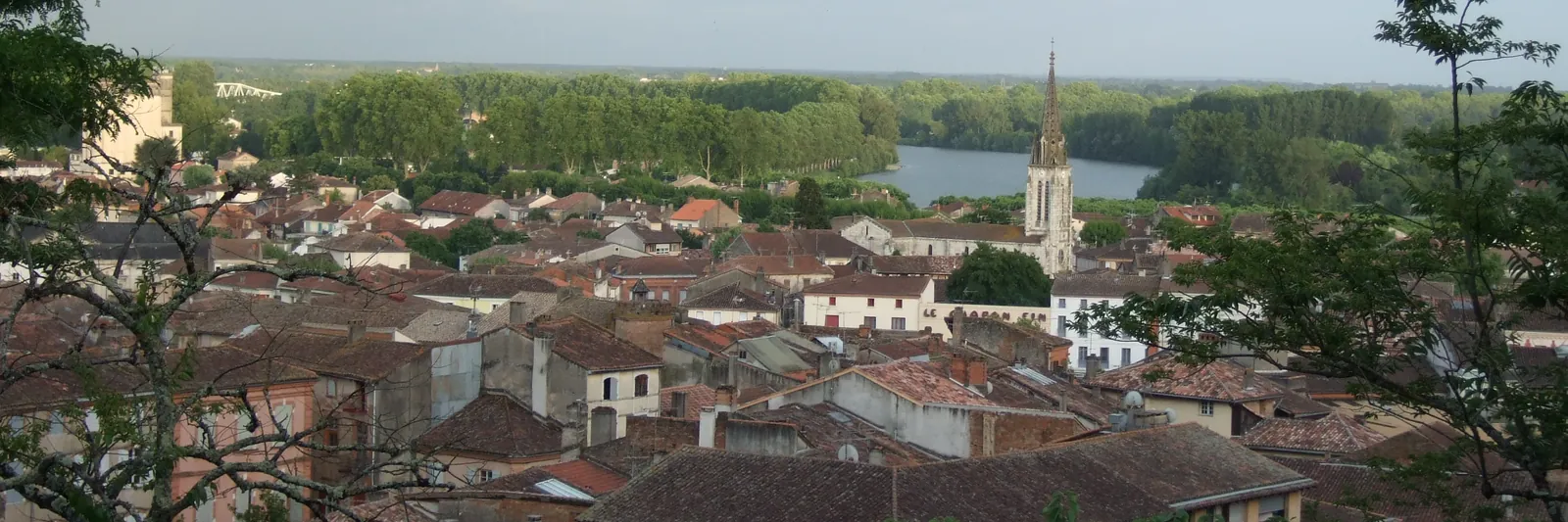
Most pilgrims cover the Via Podiensis on foot, whether for a section or for the whole stretch between Le Puy-en-Velay and Compostela. But the route has long welcomed cyclists too, who adapt their itinerary to the sections that suit a bike, along with a smaller number of walkers who choose to travel with a pack donkey - an old practice, more marginal today but genuine and documented on certain parts of the French route. This mix of paces and means regularly crosses paths around Moissac, where the Camino follows the Tarn and then the canal latéral à la Garonne, a fairly flat stretch that suits heavily loaded walkers and cyclists alike.
Recognising yourself in this diversity
If you are preparing your own departure, our Visit page helps you plan what to see once you reach Moissac, whatever pace you keep. To go further into this diversity of pilgrims, the accounts walkers publish themselves often say more than any statistic about what it means to meet, on the Camino, people so different from yourself; see what lies ahead on our what's coming up page. Start exploring from our home page for more on this stage of the Via Podiensis.
So, do you recognise yourself in one of these profiles? It hardly matters which one: the Camino de Santiago has this particular quality of making every one of these profiles equally legitimate, from the seasoned walker setting off for three months to the Sunday stroller discovering a single stage around Moissac.
In brief
- Pilgrims on the Via Podiensis come with very different profiles: ages, nationalities, motivations and paces.
- Precise figures change every year - check with pilgrim associations or the route's tourist offices for current data.
- Most walk on foot, but the Camino also welcomes cyclists and, more rarely, walkers travelling with a pack donkey.
- Around Moissac, the flat stretch along the Tarn and the canal suits both loaded walkers and cyclists.