The Via Podiensis is one of the four great historic pilgrim routes that led walkers across France to Santiago de Compostela. It begins in Le Puy-en-Velay, in the Haute-Loire department, and crosses several French regions before reaching the Pyrenees. Moissac is one of its most memorable stops, roughly two-thirds of the way along the French stretch.
Le Puy-en-Velay, where the route begins
Starting in Le Puy-en-Velay is nothing new: the town has been a pilgrimage destination in its own right since the Middle Ages, centred on its cathedral and the tradition of blessing departing pilgrims. That is why the route carries its Latin-derived name, Via Podiensis, from "Podium" - Le Puy. Walkers coming from further north or east often join the path along the way rather than starting exactly here.
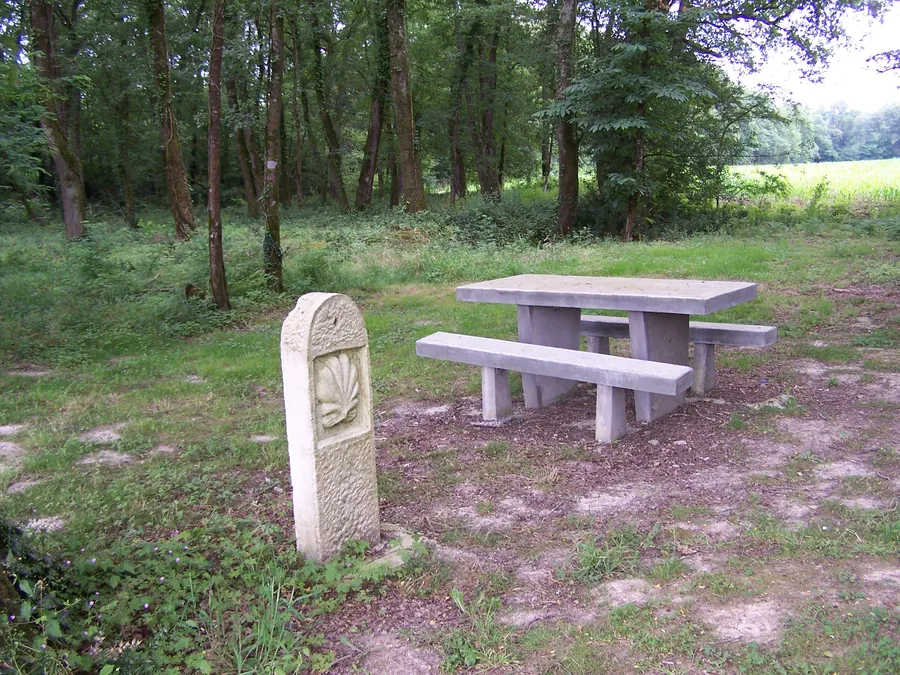
A trail marked GR65
In its modern hiking form, the route follows the GR65 waymarking set out by the French Hiking Federation (Fédération française de la randonnée pédestre): white-and-red paint marks on trees, posts and walls, matched by topo-guides that break the route into daily stages. This GR waymarking should not be confused with the medieval pilgrim route itself, which likely varied over the centuries - it reflects the maintained and recommended hiking trail as it exists today.
The regions along the way
From Le Puy-en-Velay, the path crosses the Velay, the high plateaus of the Aubrac, a long stretch of the Aveyron around Conques and Espalion, then the limestone plateaus of the Quercy and the Lot valley, before reaching the Tarn-et-Garonne department, home to Moissac. Each region brings its own landscape - volcanic plateaus, limestone causses, farmland along the river valleys - so stages can feel very different from one week to the next. Further on, the route climbs toward the Pyrenean foothills and reaches Saint-Jean-Pied-de-Port, where it meets other pilgrim routes before crossing into Spain and continuing as the Camino francés.
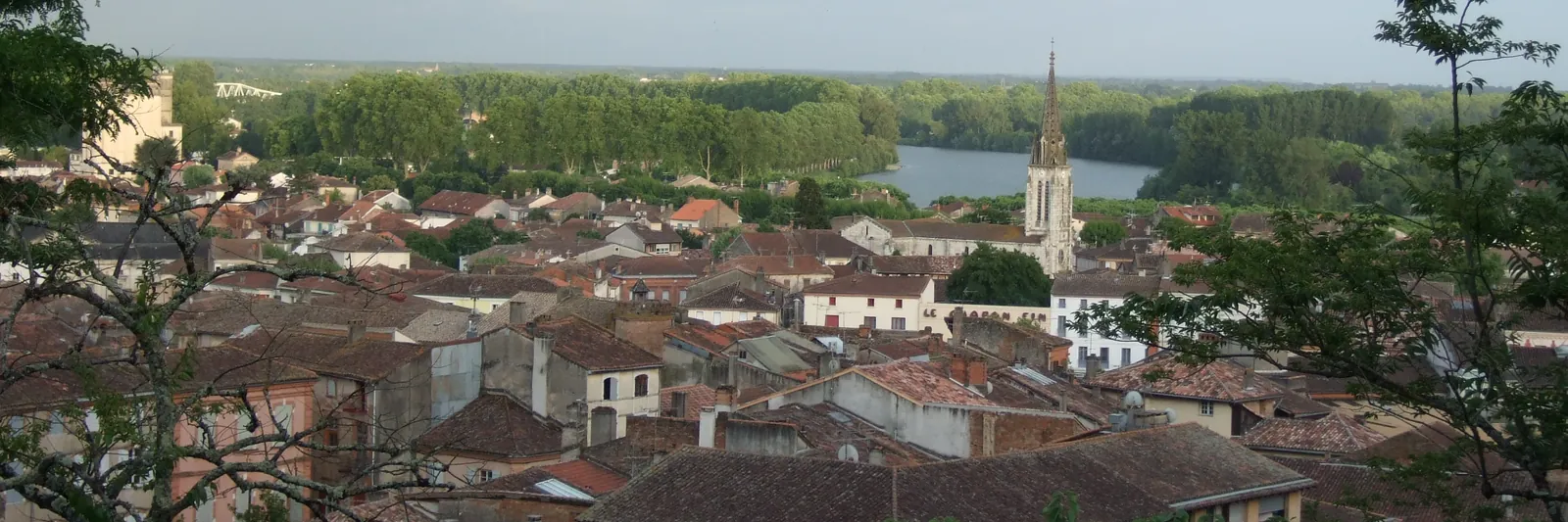
Moissac, a heritage stop
After the Quercy, Moissac brings a change of pace: set on the banks of the Tarn, the town combines a more urban stretch of walking with the heritage stop of Saint-Pierre Abbey and its cloister (see the dedicated article on Saint-Pierre Abbey in Moissac). Many walkers use this stage for a rest day before continuing west toward Auvillar or looking back at other stages of the route, such as the one linking Lauzerte to Moissac.
Planning your own walk
Anyone considering walking all or part of the Via Podiensis should check a recent topo-guide or the French Hiking Federation's website for route variants, accommodation (gîtes d'étape, chambres d'hôtes) and the state of the waymarking, which can change slightly from year to year depending on farming or forestry work along the way. The season matters too: spring and autumn remain the most popular times to walk, while summer brings more heat to the more exposed sections of the Quercy and Aveyron.
Before focusing on any single stage, it helps to see the French stretch of the Via Podiensis as a whole - this overview is a good starting point alongside the other pilgrimage articles on this blog's home page.
In brief
- The Via Podiensis links Le Puy-en-Velay to the Pyrenees, one of France's four great historic routes to Compostela.
- The modern hiking trail follows the GR65 waymarking set by the French Hiking Federation.
- Moissac sits in the final third of the French route, marked by the heritage stop at the abbey.
- Topo-guides and specialist websites remain the best way to check the route, accommodation and waymarking before setting out.